
This is an unboxing and review of the Makita DCL180ZB/XLC02ZB 18V cordless vacuum cleaner. We will go over why this model was chosen, what else is available on the market from Makita especially in this budget category, and the real performance versus expectation from this vacuum.
Why This Model?
Few reasons exist as to why I chose this model for my (as of this time) very modest lab:
- To my knowledge, this is one of the cheapest vacuum Makita makes compatible with the 18v battery ecosystem (LXT). I was looking for a budget model, so this is it.
- Cordless operation that works with the Makita battery ecosystem.
- It is rather small and compact.
- No bag (this is a plus in my book). I find it messy dealing with changing bags or emptying them out.
- Can be used on floor with the provided “T-nozzle” as well as without for tabletop vacuuming.
What Other Vacuums Does Makita Make?
There is a plethora of models of vacuum cleaners and for different applications that Makita makes.
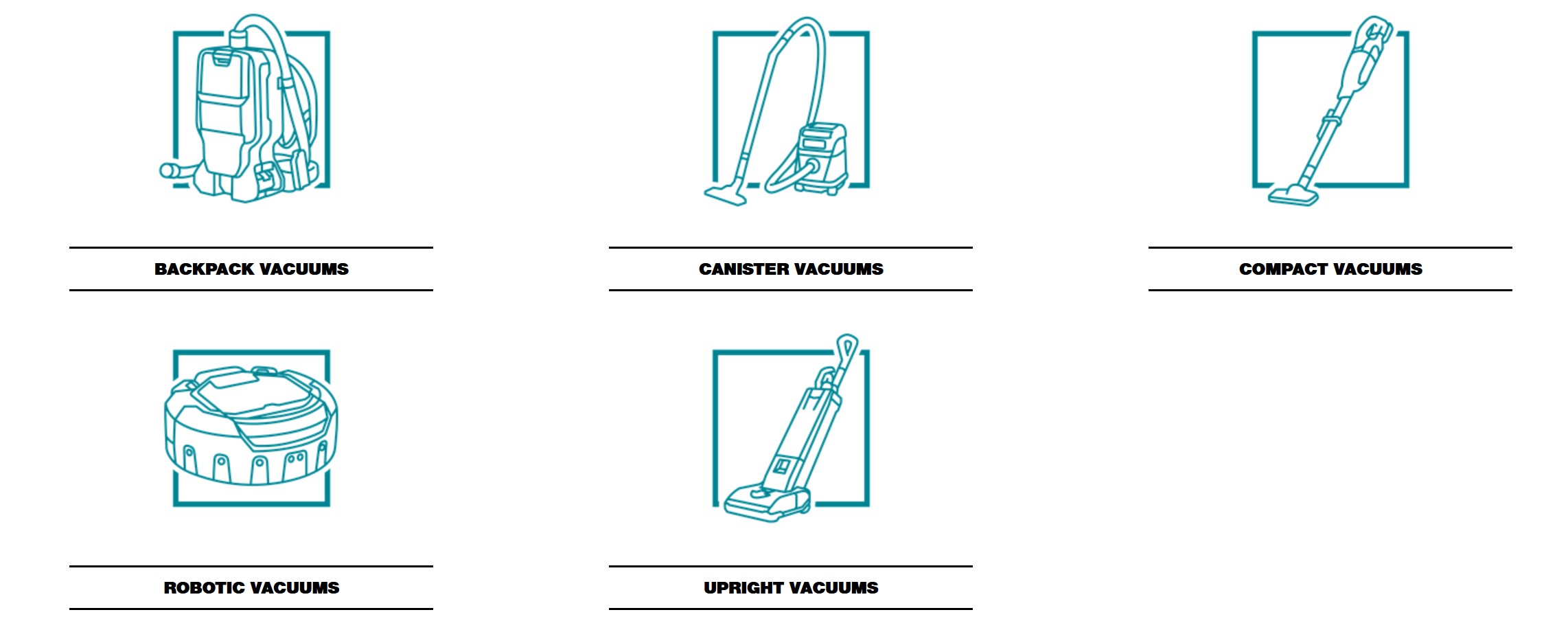
We are not going to take a look at all of these categories but let’s take a brief look at the compact vacuums category.
First let’s take a look at the model naming convention for our vacuum because it can potentially trigger a headache.
- We are looking at the DCL180ZB model which is commonly found in Europe or Canada.
- There is a XLC02ZB model that is the same device but which is present in the United States.
Apart from the model variations for the same device, we have different kit bundles that can change the model nomenclature. For example: XLC02R1B which comes with a battery charger and a 2Ah battery:

Next, an example of a model with the brushless motor for Europe and Canada — DCL280FZB:

I hope the above brings a little clarification to the naming convention Makita adopted and can give a starting point to someone looking for a vacuum from Makita.
Specifications of DCL180ZB
| Manufacturer | Makita |
| Model | DCL180ZB |
| Voltage | 18 Volts |
| Wattage | 30 watts |
| Volume | 0.65 litres |
| Weight | 1.2 kg |
| Sound Level | 71 dB |
| Colour | Blue |
| Material | Plastic |
| Battery | Lithium Ion (not included) |
| Included | T-Nozzle, Cloth Filter, Pre-Filter, Pipe, Sash Nozzle Holder, Sash Nozzle |
Unboxing
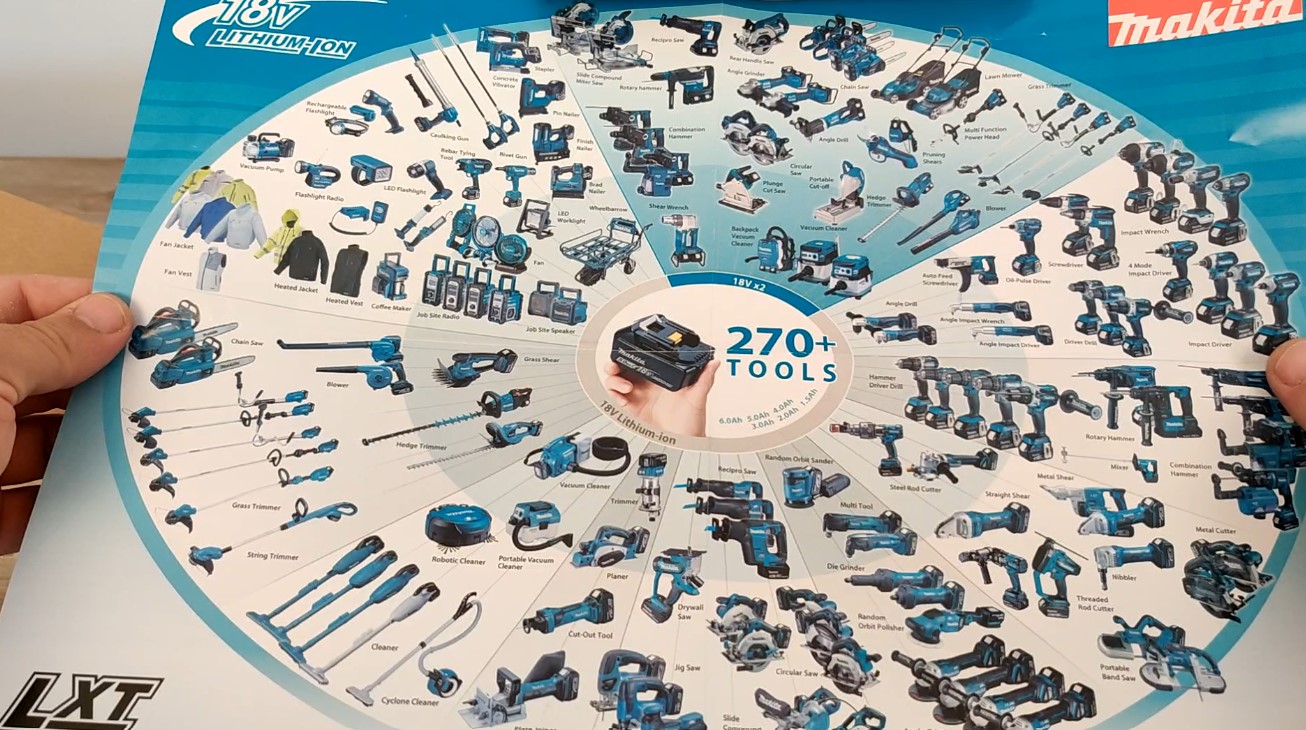
Let’s take a look at the items found inside the box. First taken out is a brochure presenting a very large ecosystem from Makita of 270+ tools:
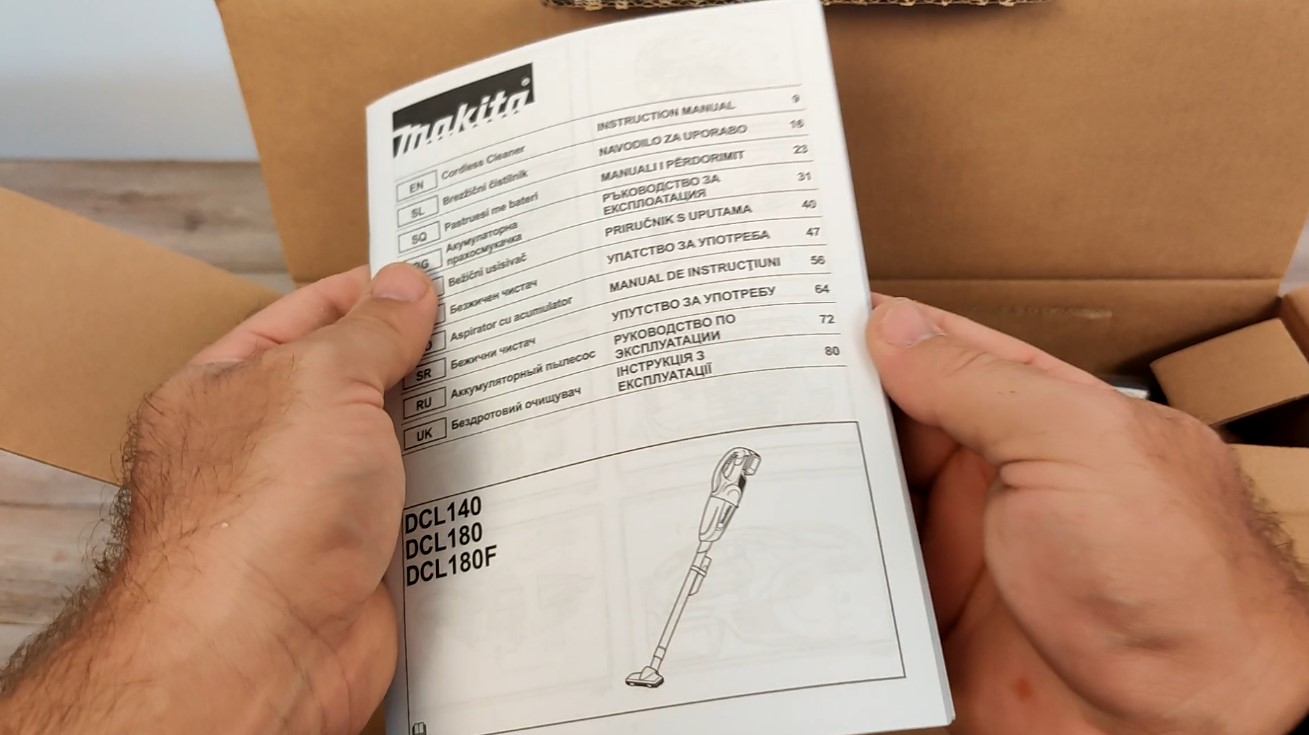
We also find a user manual:
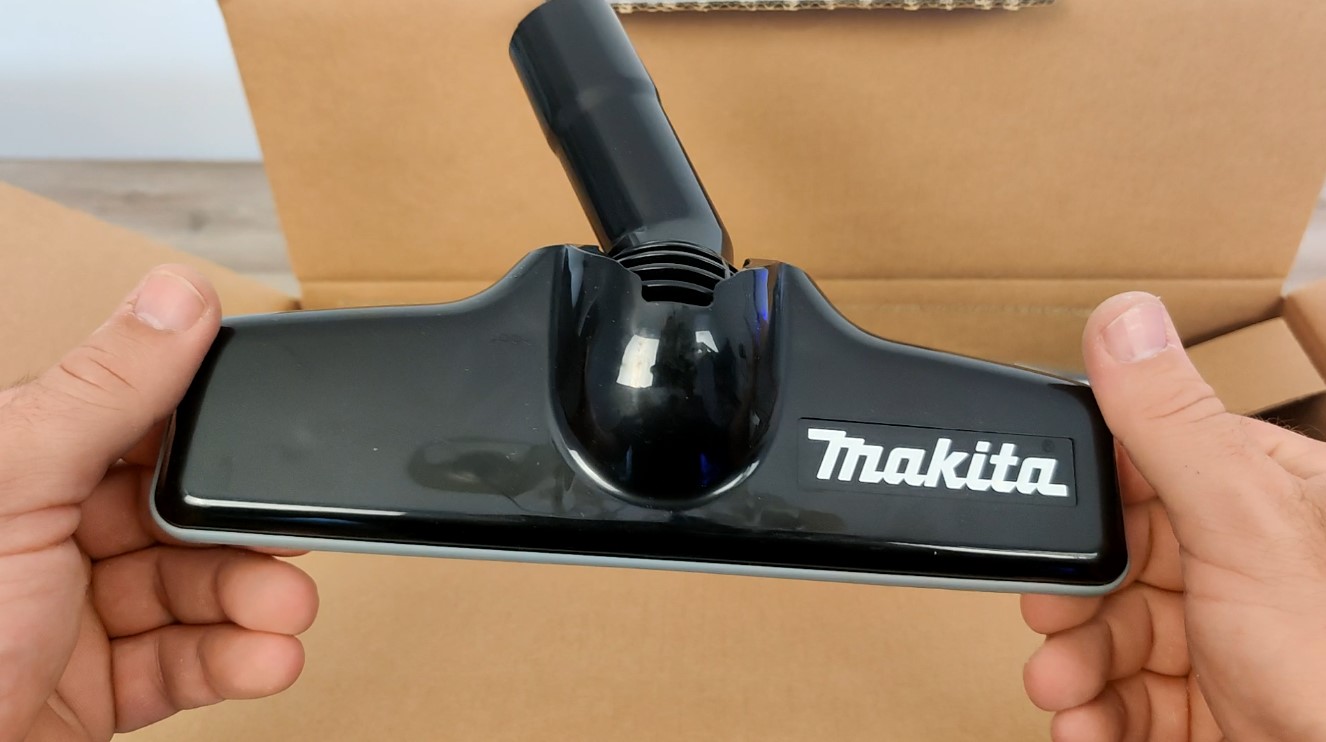
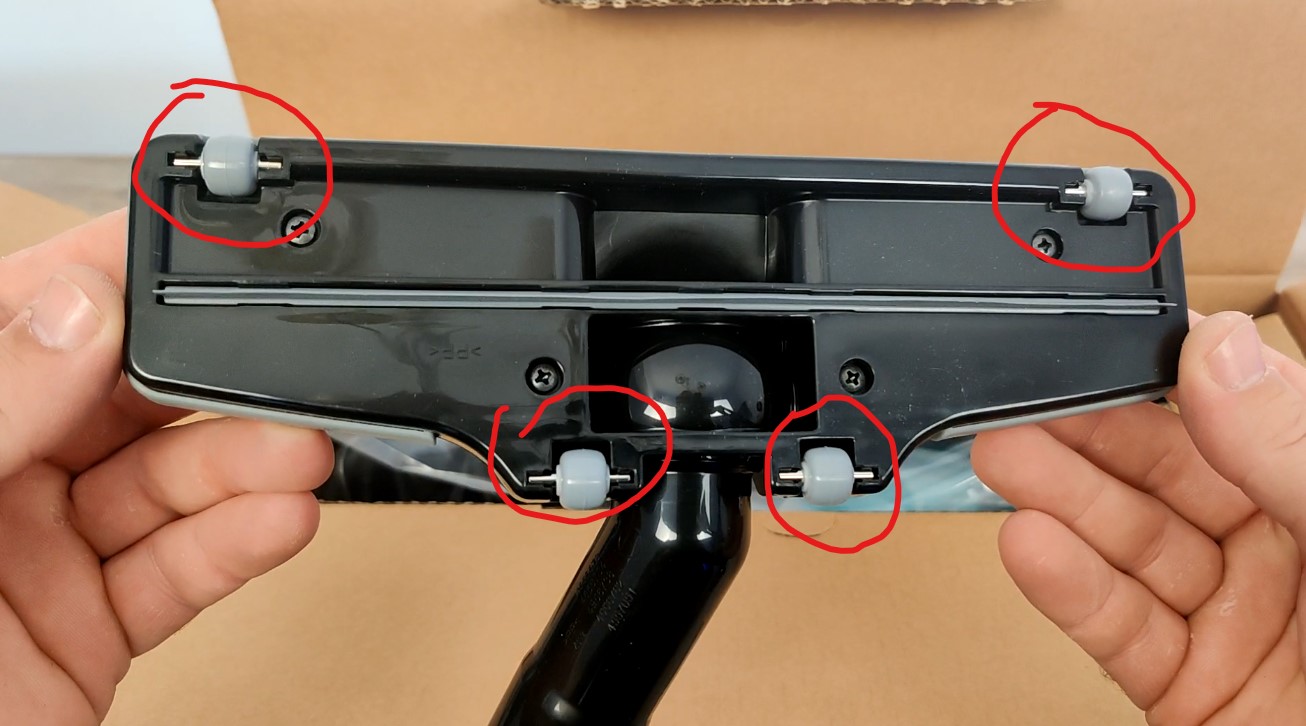
The first piece of the accessory repertoire is the T-nozzle. We can observe 4 plastic roller wheels which should help with the smoothness of floor vacuuming and reducing friction:
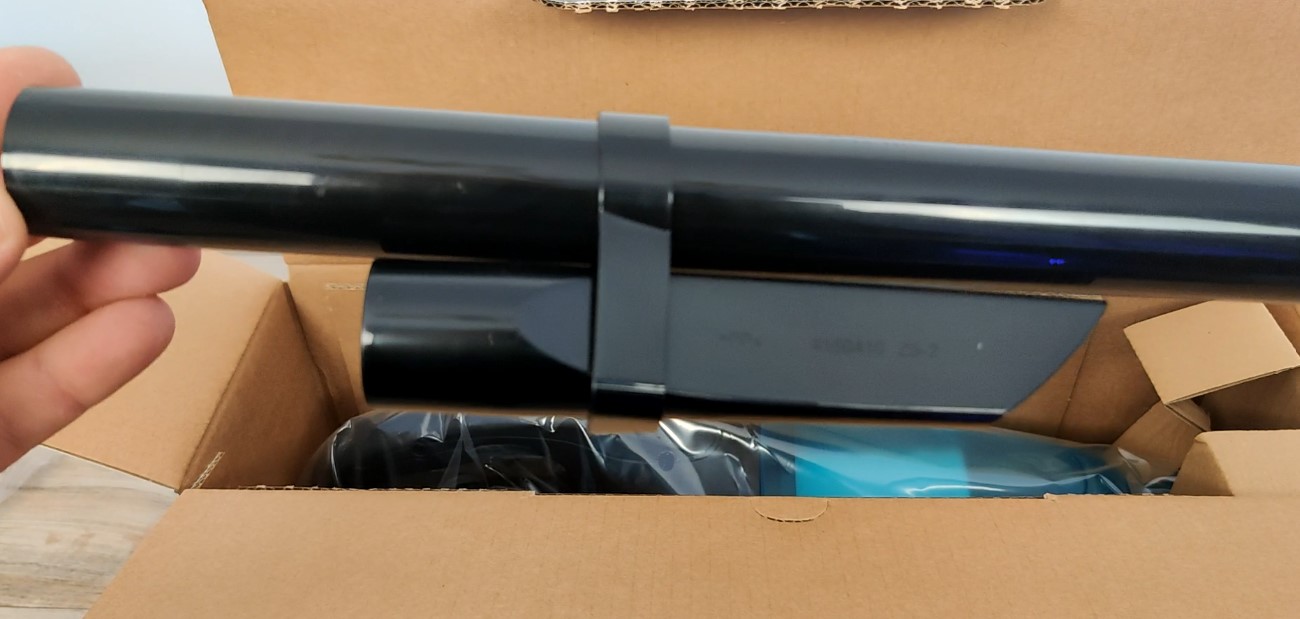
Next, we find the black extension attachment and the crevice nozzle:
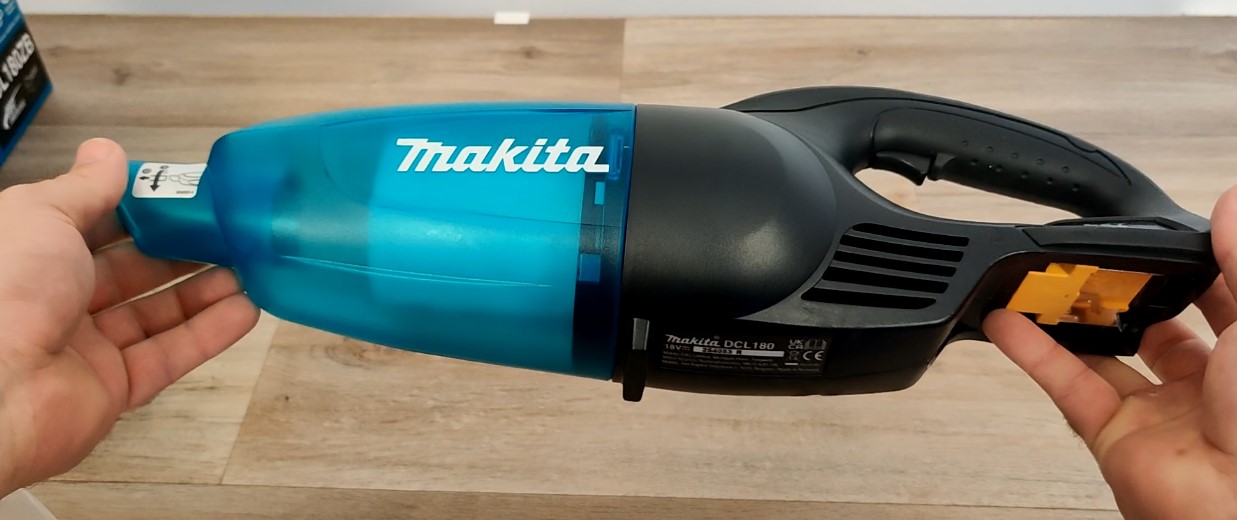
And finally, the main unit housing the brushed motor, container + filter system and battery connector:
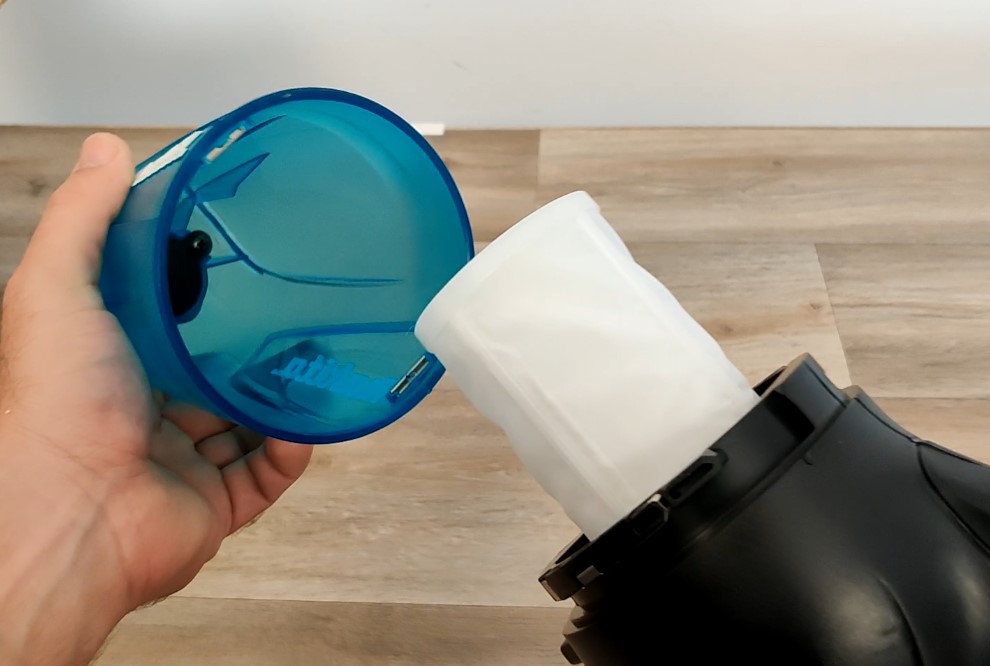
Twisting the container will unlock it from the unit and the cloth filter becomes visible. Not a HEPA filter here so do not expect wonders with fine particulates re-entering the environment:
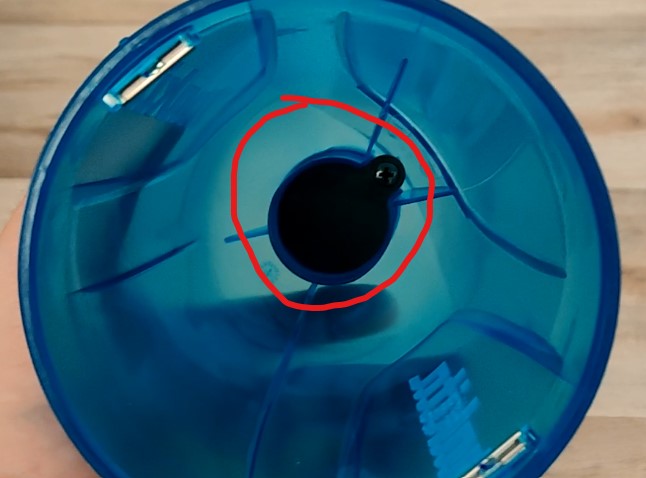
There is a viable latch present at the mouth of the container which should prevent debris from exiting the vacuum when not in use:
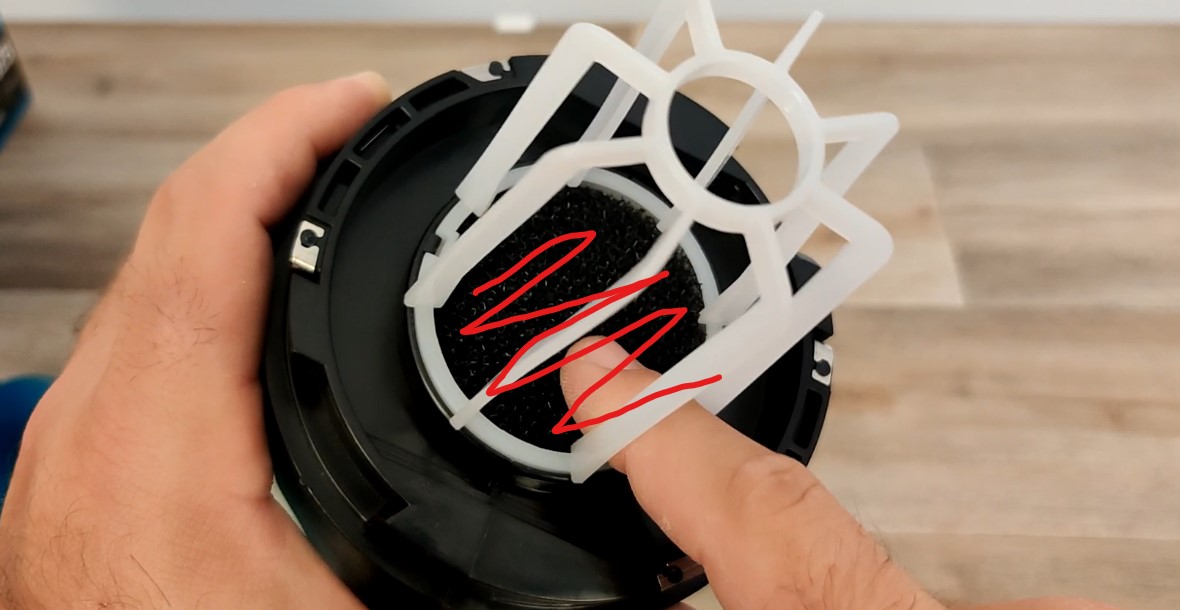
Removing the main filter, we are presented with a secondary filter just before the motor entrance. We also see that the support structure for the cloth filter is a plastic contraption twisting in such a way as to create a vortex which should aid in the suction process:
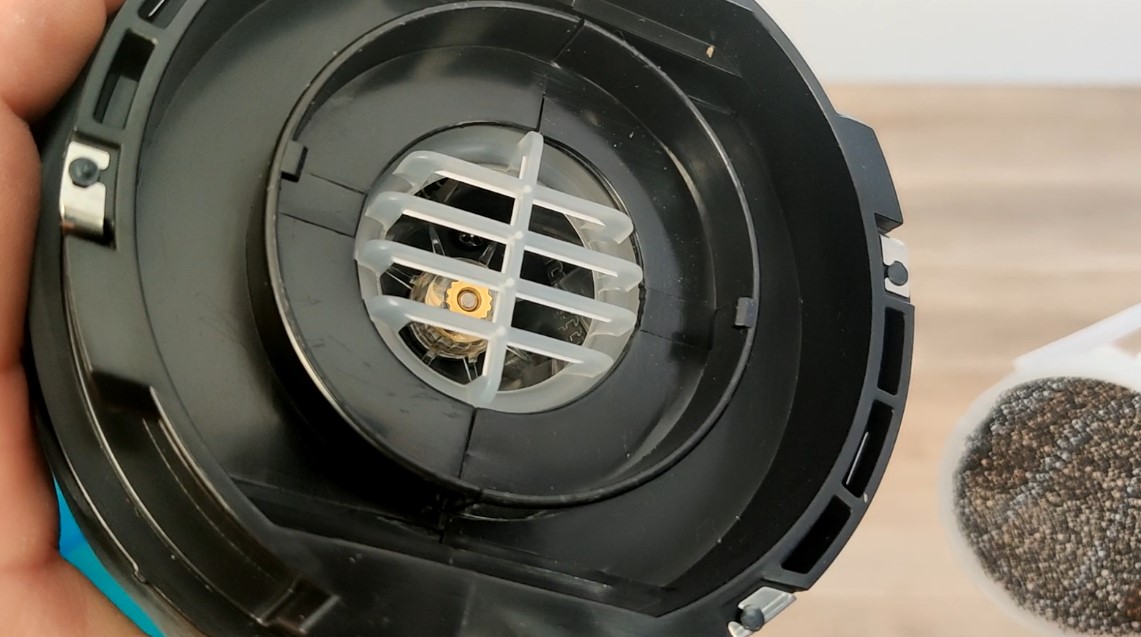
Finally, removing the second filter reveals the motor:
Usage, Review and Final Thoughts
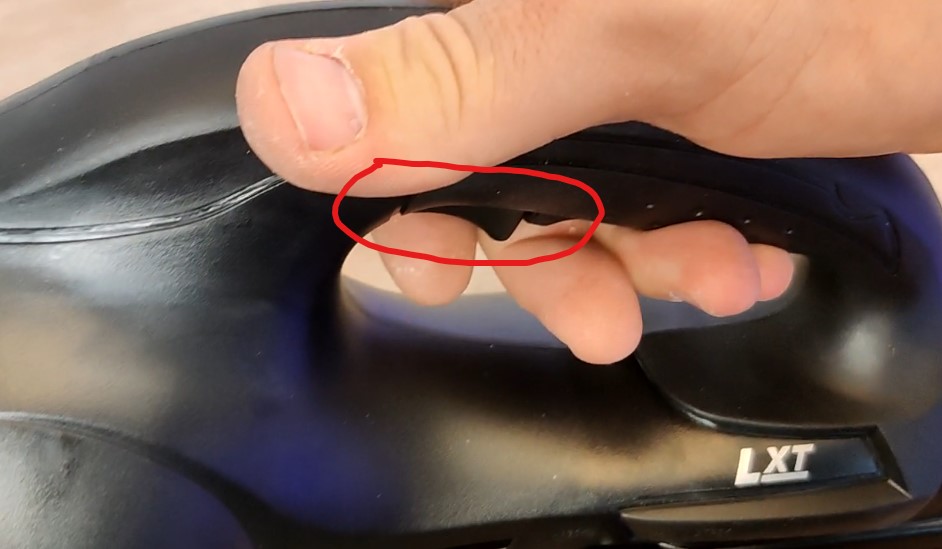
There is no speed or intensity adjustment on this model. A trigger that when pressed, will engage the motor for some vacuuming action:
After a few minutes of vacuuming around the workshop, it has become obvious that the vacuum is able to handle quite a bit of workload and is strong enough to use for multiple elements including saw dust, 3D printer plastic, paper, dirt, hair etc:

Again, it does not have a HEPA filter, so fine particulates will not get trapped. However, for larger particles and items, especially on hard floor, this vacuum cleaner from Makita will do some work.
PROs
- Small / Compact
- Inexpensive
- Powerful enough in most cases
- Easy to use
- Cordless
CONs
- Brushed motor (not brushless)
- No HEPA filter
If you are a carpenter workshop, you may be better off with a professional vacuum from Makita or another manufacturer especially if you are doing dust extraction. But even in this case, I think it would be beneficial having one of these little guys around due to the ease of use, quick deployment and inexpensive investment.